
SEO Content Briefs: How to Write One Your Writers Can Use
A brief is not a keyword list. It is the difference between ten writers producing one coherent site and ten writers producing ten unrelated pages.
An SEO content brief is a contract between the person who understands the business and the person who writes the page. When it is good, a writer can produce a useful draft without a meeting. When it is bad, it is a keyword list with a word count, and the writer guesses at everything that actually matters.
This guide shows the brief we use for our own site and for clients: what to include, what to leave out, and the acceptance checks that stop a draft from drifting. It is written for small teams, where the brief is often written by the same person who will edit the result.
Start with intent, not keywords
Search intent is what the reader is trying to do: learn, compare, buy, fix or find a specific page. The same phrase can carry different intent depending on the searcher, and the brief has to pick one. Look at the current results and ask what format they reward. If the top results are comparison tables, a 2,000-word essay is unlikely to satisfy the same query.
Then write a one-sentence promise: "After reading this, the reader will be able to choose between X and Y without opening a spreadsheet." That sentence is the test for every paragraph. If a section does not serve it, cut the section.
The sections every brief needs
A useful brief is short enough to read in five minutes and specific enough to prevent guesswork. Ours has eight parts, and each one earns its place. The reader and intent come first, because everything else depends on them.
- Primary reader and the decision they are making.
- Search intent and the format the results reward.
- The one-sentence promise of the page.
- Outline with H2s and the question each answers.
- Facts, figures and sources that must be included.
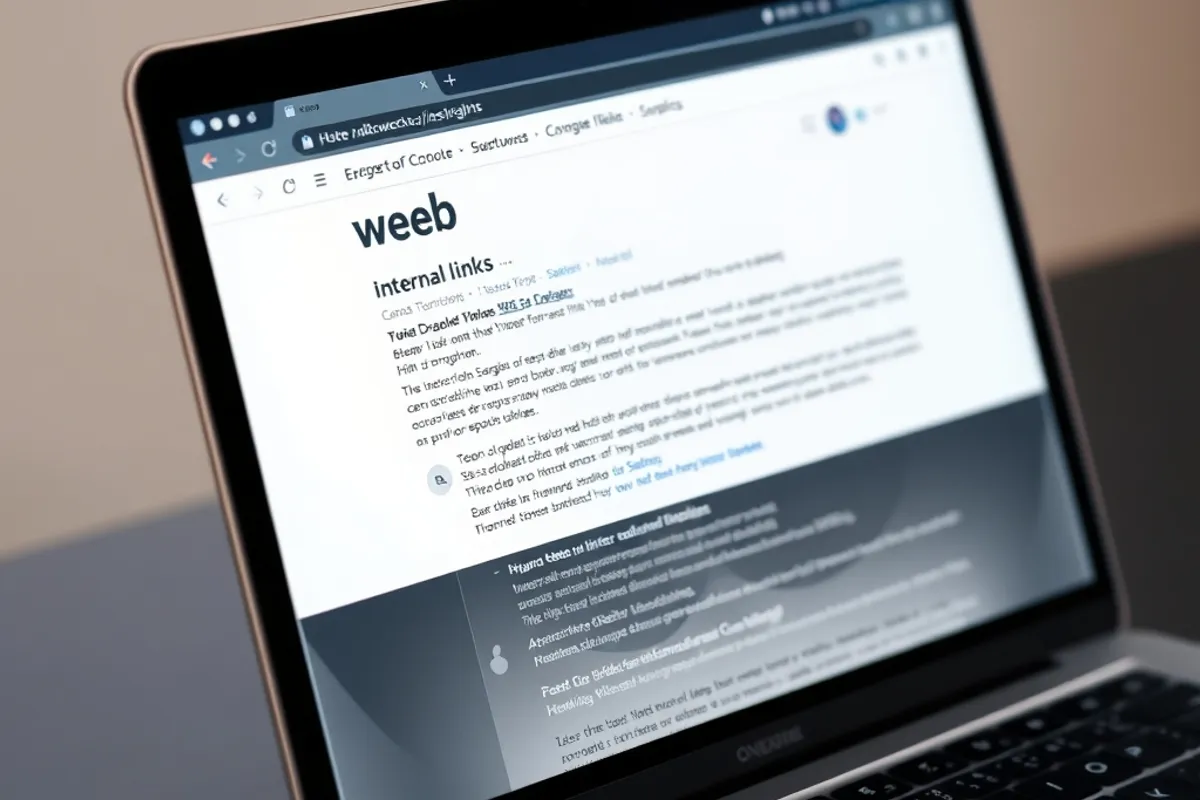
- Internal links in and out, with anchor text.
- What to avoid: claims, competitors, tone traps.
- Acceptance checks before publishing.
Notice what is missing: a word count. Length should follow the question, not a target. A 600-word answer that resolves the query is better than 2,000 words of padding, and a writer who is paid by the word has an incentive to pad.
Give the writer real material
The fastest way to improve a draft is to supply the facts. Add the product details, the pricing logic, the common objections from sales calls and the two or three examples you want used. A writer can research a topic, but only you know why your customers hesitate.
Name the sources you trust and the claims that need a citation. If a statistic is central to the argument, link it in the brief so the writer does not reach for the first plausible number. This is also where you flag regulated topics, where the language has to be careful and a reviewer must sign off.
A brief that contains the facts is worth more than a brief that contains the keyword density.
Liam Foster
Internal links and structure
List the pages that should link to this article and the pages it should link out to, with the anchor text you want. Internal links are how a cluster becomes a system rather than a pile. They also give the writer a reason to read the surrounding pages and match the tone.
Be explicit about the call to action. One primary action, placed where it makes sense, plus one softer option for readers who are not ready. A page that asks for a demo in every paragraph reads as desperate; a page that never asks reads as a brochure.
Acceptance checks
Before a draft goes live, check that the promise is answered in the first two paragraphs, that every claim with a number has a source, that the headings make sense read alone, and that the page has one clear next step. Then read it on a phone. Most readers will.
- Name the reader, the intent and the format.
- Write a one-sentence promise and test every section against it.
- Supply facts, examples and the objections from sales calls.
- Specify internal links, anchors and one primary CTA.
- Skip word counts; use acceptance checks instead.

Final word
A good brief is an act of respect for the writer and the reader. It removes the guesswork, protects the facts and makes the page easier to maintain later. Write one for the next article you commission, and compare the draft with what you usually get. For the wider plan, see our 90-day content strategy, and for the technical reading experience see Core Web Vitals.