
Content Marketing Strategy 2026: A 90-Day Plan That Compounds
Most content plans fail because they are campaigns, not systems. Ninety days is enough to build the habit, the library and the measurement that compounds.
Most content plans fail for a boring reason. They are campaigns dressed as strategy: a burst of publishing for six weeks, a dip in enthusiasm, and a library that nobody maintains. The sites that win are not the ones that publish the most. They are the ones that keep answering the same reader's questions until the reader trusts them.
This guide lays out a 90-day content strategy for a small team in 2026. It covers the audience research that decides what to write, the topic structure that holds it together, the cadence that is actually sustainable, and the numbers that prove the work is earning its budget.
Weeks 1-2: pick one reader and one job
Write down a single reader: their role, the decision they are facing and the words they use for it. "Small business owners" is too broad. "A two-person design studio choosing whether to add a retainer offer" is specific enough to write for. Specificity is not a limitation; it is what makes the advice useful.
Then name the job your content does. It might be to explain a complex service, to answer pre-sales objections, or to capture people searching for a comparison. Pick one primary job for the quarter. A library that tries to do everything at once usually does nothing well enough to be remembered.
Weeks 3-4: build a topic map, not a keyword list
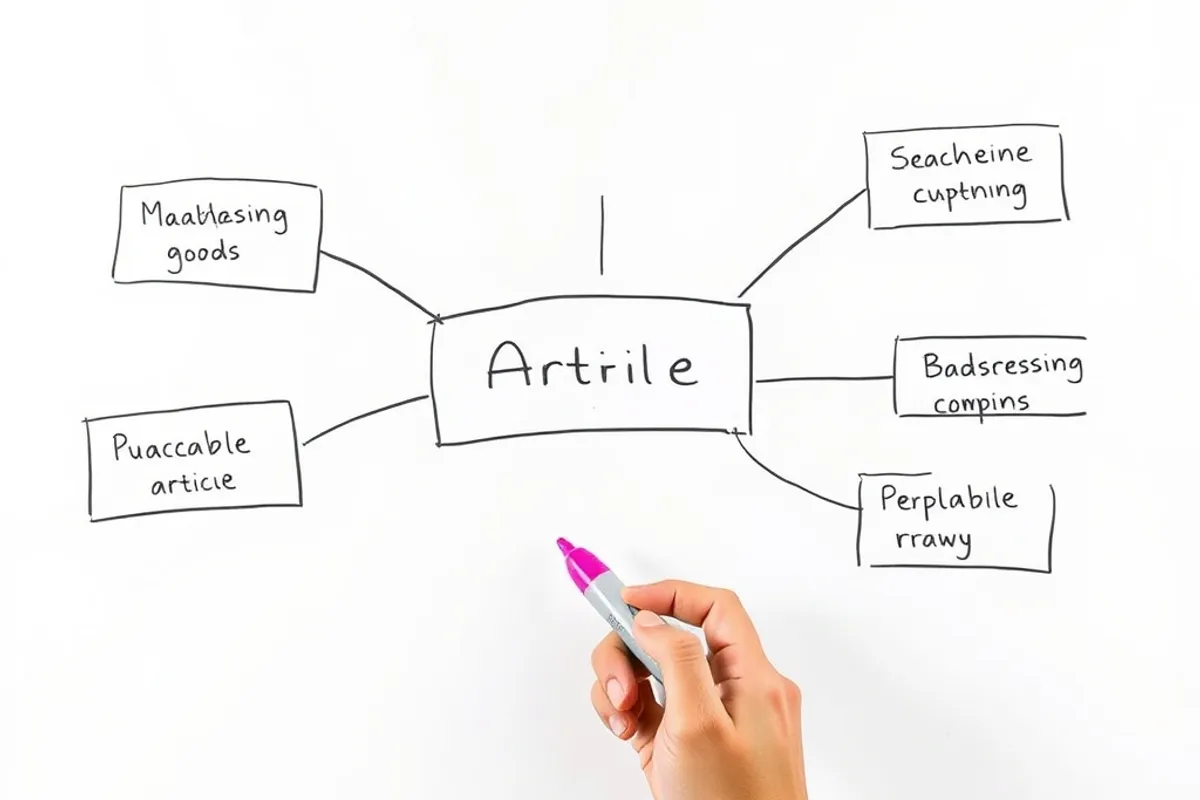
A topic map starts with one core page and a cluster of supporting articles that link to it. The core page targets the commercial question; the cluster answers the sub-questions a buyer asks on the way there. This structure helps readers move through the site and helps search engines understand which page is the authority.
For each article, note the search intent, the reader's stage and the internal link it should carry. If two articles would answer the same question, merge them. Ten strong pages beat forty thin ones, and the thin ones create maintenance work you will resent.

Weeks 5-8: publish on a cadence you can keep
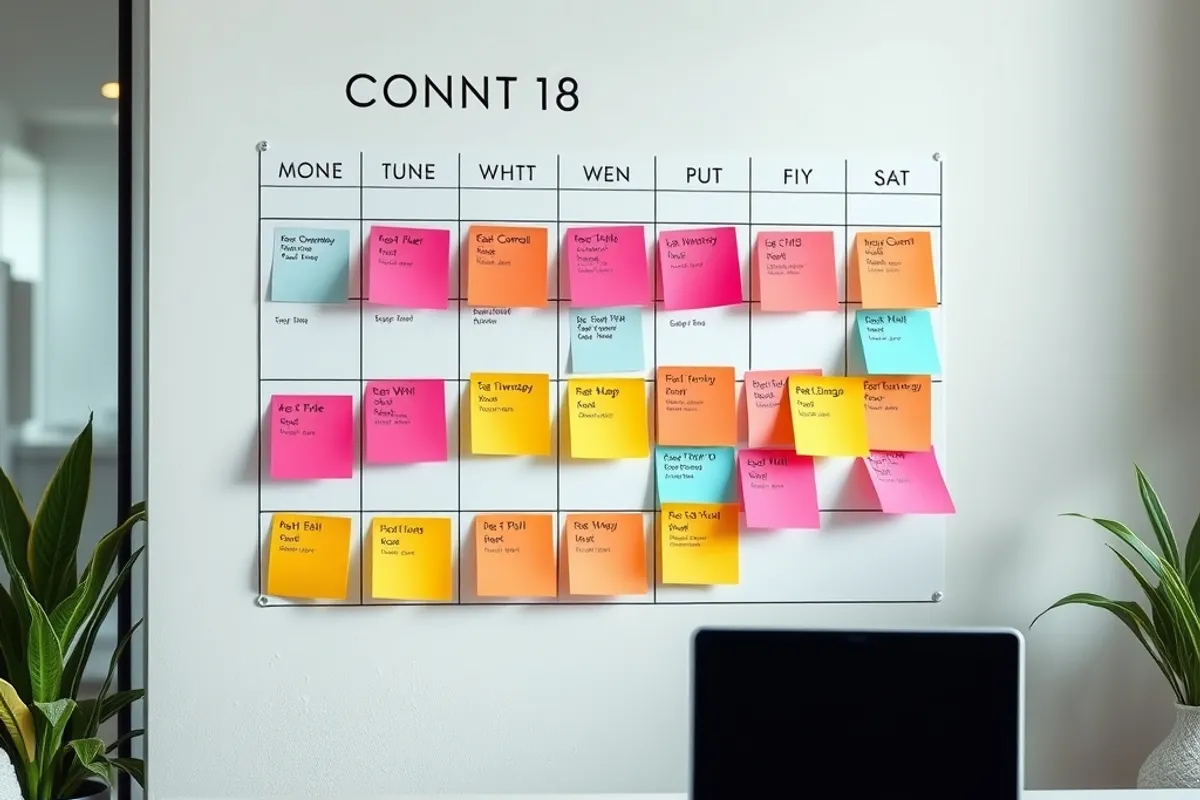
Choose a cadence based on the time you actually have, not the time you wish you had. One substantial article every two weeks, maintained and linked properly, will outperform four rushed posts a week. Consistency matters because it compounds: readers learn when to expect you, and search engines get a steady signal of activity.
- One core page per quarter, updated as the offer changes.
- Two to four supporting articles per month, depending on capacity.
- One newsletter that summarises what changed and why it matters.
- A monthly update pass on the three pages closest to revenue.
- A quarterly prune of pages that no longer earn traffic or trust.
Write the brief before the draft. A brief that names the reader, the promise, the outline and the sources saves more time than a faster typing speed ever will. It also makes freelance help possible without a long onboarding call.
Content compounds when the library is maintained, not when the publishing schedule is heroic.
Grace Whitmore
Weeks 9-12: distribute and measure
Publishing is half the job. Decide where the piece will be seen: search, a newsletter, a community, a partner, a sales follow-up. One article can become a short video, a checklist, a slide and three social posts, but only if you plan the derivatives at the start rather than hoping someone has time later.
Measure leading and lagging signals. Leading: impressions, click-through rate, scroll depth, replies. Lagging: assisted conversions, demo requests, revenue. A page with modest traffic and a high conversion rate is more valuable than a viral page that attracts people who will never buy. Track both, and do not let a vanity number decide the next quarter.

The maintenance habit
Set a monthly hour to update the pages that matter. Refresh a statistic, fix a broken link, add a section that answers a question from sales calls, and improve the internal links. This is unglamorous work that produces more return than another new post, because it protects the assets you already paid for.
- Pick one reader and one job for the quarter.
- Build a topic map with one core page and a supporting cluster.
- Publish on a cadence you can sustain for a year.
- Brief before drafting; name the reader, promise and sources.
- Measure assisted conversions and maintain the library monthly.

Final word
Ninety days is enough to prove a content system if you resist the urge to do everything. Pick a reader, build a map, publish steadily and maintain what you ship. For the brief that keeps writers aligned, read our SEO content brief guide, and for the technical side see Core Web Vitals.